
Science in Motion
AFE™ Powered by WeWoN MatriX connects advance planning with the heart rate recovery response observed in the field to support professional decisions before continuing.
From the written plan to the athlete’s response.
Planning keeps training on course. AFE™ adds a brief physiological observation during warm-up so the coach can compare the plan with the athlete’s actual response.
Whistle + stopwatch
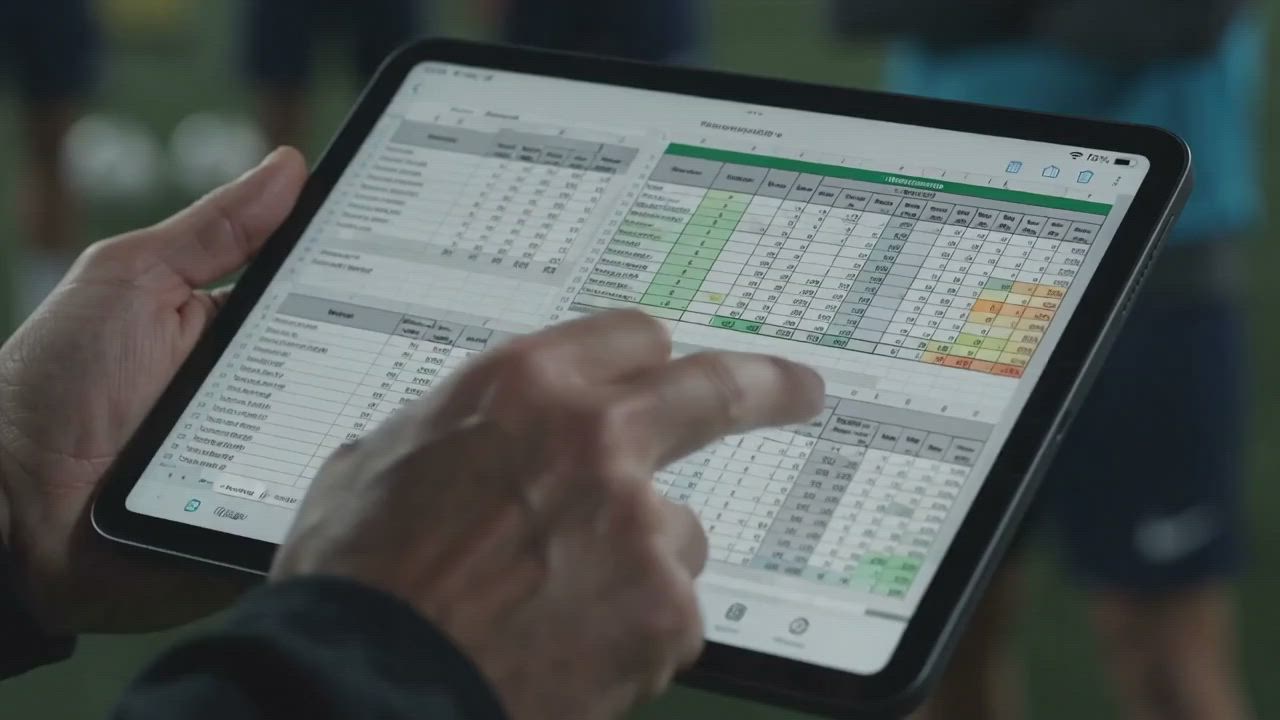
Organize the session
Heart rate monitor
Observe the response
WeWoN’s vision is to make the heart rate sensor a practical training tool accessible to schools, clubs, and independent coaches.
PLAN
WeWoN MatriX
The coach organizes cycles, goals, sessions, and load progression according to their own methodology.
APPLY
Warm-up and activation
The session begins and the athlete reaches the target effort defined by the protocol.
OBSERVE
AFE™ Safety Check
A compatible heart rate monitor records the post-exertion recovery pattern for 180 seconds.
DECIDE
Coach’s judgment
The information supports decisions to continue, maintain, temporarily adjust, or take a technical pause.
FOLLOW UP
Reassessment and trend
If the pattern warrants observation, the context is considered and reassessment may take place before a new stimulus is applied.
A favorable subsequent response provides additional information, but does not guarantee the absence of risk or replace professional observation or medical evaluation when appropriate.
Applied science is already changing the game.
Innovation alone is not evidence. We select fields with the greatest potential to improve our understanding of exertion, recovery, and athletic preparation.
Autonomic recovery
The heart rate response after exertion offers a practical window into how the body transitions toward recovery.
ESTABLISHED EVIDENCEWearable sensors
Increasingly accessible devices can record signals outside the laboratory, although their usefulness depends on validity, protocol, and data quality.
EMERGING EVIDENCEIndividualized load
Combining planned load with the athlete’s actual response helps the coach adjust the process while retaining professional judgment.
ESTABLISHED EVIDENCEA single data point does not tell the whole story.
Applied science requires a protocol, context, and follow-up. A measurement becomes useful when it is consistent, interpretable, and connected to a relevant question.
Measurement quality
Does the instrument provide valid and reproducible measurements?
Athlete context
Age, history, load, rest, and session conditions.
Careful interpretation
Trends and patterns before conclusions based on a single reading.
Human decision-making
Technology supports the process; the professional retains responsibility.
From the laboratory to training.
Sports research is not about chasing perfect numbers. It is about asking better questions about real people in real settings.
Collaboration among athletes, coaches, researchers, and institutions helps validate tools, recognize limitations, and turn knowledge into responsible practice.
Clear protocols and reproducible results.
Consent, privacy, and well-being first.
Visible limitations and proportionate claims.
The future begins with a connection that can be validated.
These points of compatibility show how available knowledge can evolve responsibly. They are directions for research and development, not guaranteed outcomes.
Physiological signals
Heart rate, variability, recovery, and session context.
Multimodal models
Integrate different signals to recognize patterns without automatically turning them into diagnoses.
Requirement: validation using quality dataLongitudinal tracking
Compare the athlete with their own baseline and observe changes over time.
Responsible personalization
Individual ranges adapted to each person’s history, sport, and context.
Requirement: sufficient valid measurementsPlanning + response
The coach organizes the load and compares it with the observed response.
Adaptive systems
AI can flag deviations and scenarios so the professional can assess possible adjustments.
Requirement: human oversight and traceabilitySeparate tools
Sensors, planning, assessments, and reports in separate workflows.
Interoperable ecosystems
A consistent identity and connected data across tools with specialized purposes.
Requirement: privacy and open standardsMeasuring more does not mean understanding better. Scientific progress depends on reproducible protocols, comparison with valid references, data protection, and claims proportionate to the evidence.
Today’s sports news
The latest in world sports and exercise science, gathered from recognized sources.
News comes from external sources (BBC Sport, ESPN, MARCA, ScienceDaily) and links to the original website. WeWoN is not responsible for their content.
We turn questions from the sports field into tools for better understanding and decisions.
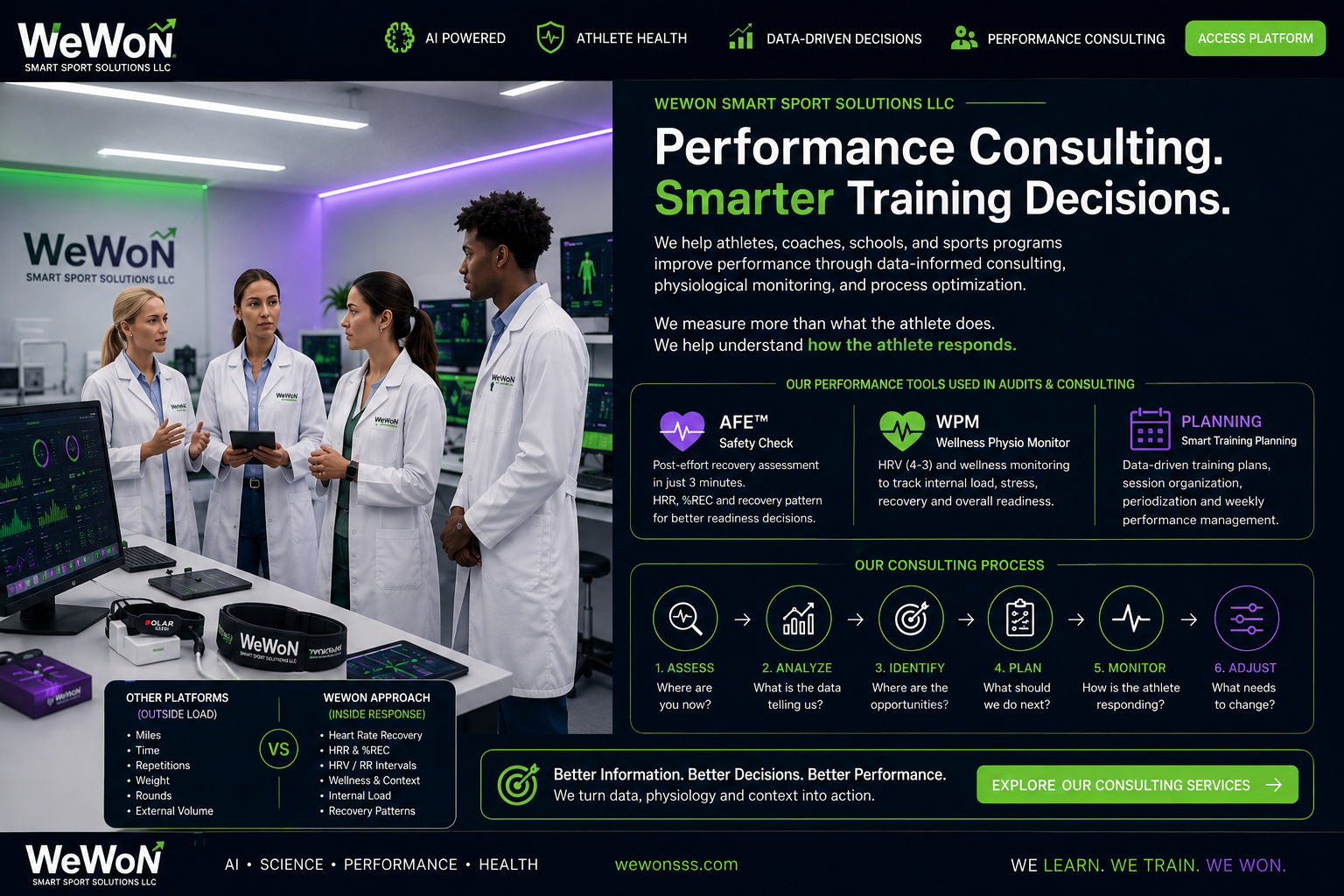
WeWoN Smart Sport Solutions LLC develops an ecosystem to support coaches, athletes, and institutions. We integrate physiological assessment, wellness monitoring, and training organization under one central principle: technology informs; the professional decides.
 01 · IN DEVELOPMENT AND PILOT TESTING
AFE™ Safety Check
A preventive, non-diagnostic protocol that organizes the post-exertion recovery response to support careful decisions before continuing.
 02 · COMPLEMENTARY MONITORING
WPM · Wellness Physio Monitor
Observes heart rate variability signals under standardized conditions to provide longitudinal context for the athlete’s physiological state.
 03 · ASSISTED PLANNING
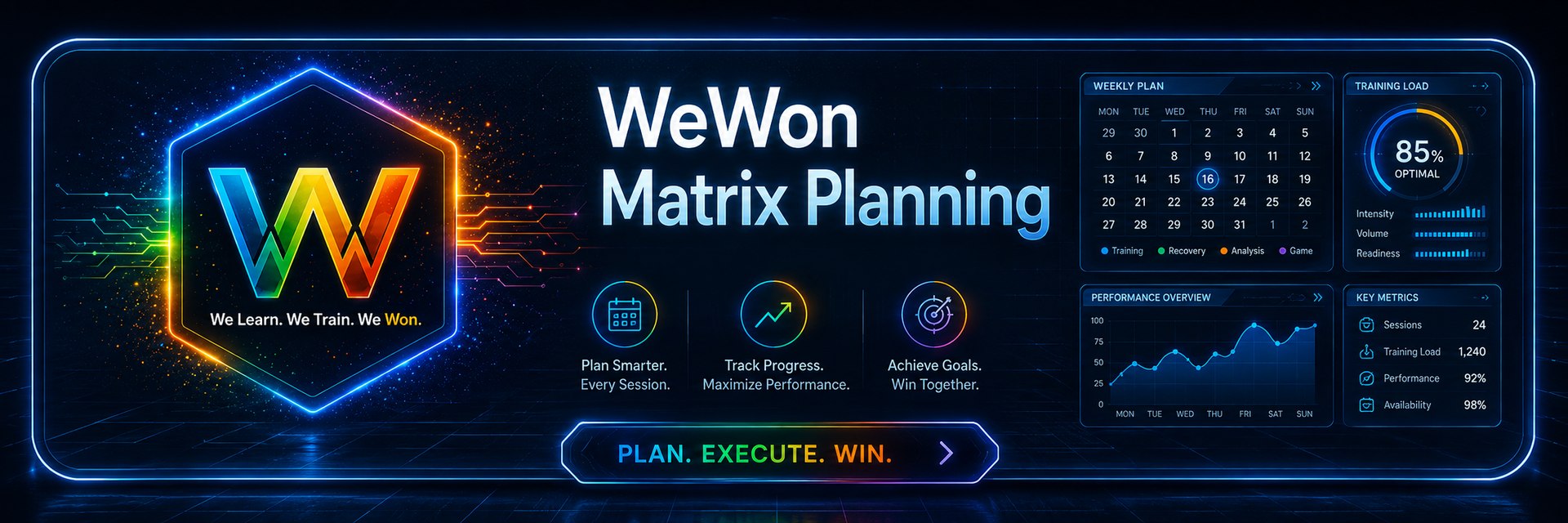
WeWoN MatriX
Organizes cycles, sessions, and follow-up in one place, with AI tools that support the coach without designing or replacing their plan.
Build with evidence, validate before making claims, and communicate clearly what we know, what we are studying, and the limitations of each tool.
Discover WeWoN ↗Five questions that protect decision quality.
01 What specific problem does it aim to solve?
Useful technology starts with a defined sporting need, not simply the availability of more data.
02 Has it been validated in a comparable population?
Results vary with age, sex, competitive level, sport, and measurement conditions.
03 How strong is the available evidence?
Distinguish exploratory studies, independent validation, and established consensus.
04 What are its limitations and potential biases?
Every method has error. Recognizing it prevents a useful signal from becoming an unjustified certainty.
05 How does it improve decisions without replacing the professional?
Value emerges when evidence complements experience, context, and human communication.